
The Unseen Hero: Why a Healthy Attic is the Secret to a Long-Lasting Roof
As a homeowner in Mississauga, you probably think about your roof when you see shingles that are curled or missing, or when a storm rolls through. But what if the biggest threat to your roof’s lifespan isn't the weather, but something happening silently inside your attic? Many homeowners are surprised to learn that the health of their roof is directly tied to the space just below it. A stuffy, poorly ventilated attic can drastically shorten the life of your shingles, drive up energy bills, and lead to serious damage.
At FANATTICS, we see the roof and attic as a single, interconnected system. The key to protecting this system isn't just about quality materials on the outside; it's about creating a balanced, breathing environment on the inside. Understanding how attic ventilation works is the first step toward preventing premature roof failure and ensuring your home is protected year-round.
What Exactly is Balanced Attic Ventilation?
Think of your attic as having a set of lungs. For it to work properly, it needs to inhale cool, dry air and exhale hot, moist air. A balanced ventilation system is designed to do just that through a continuous, passive flow of air. This system has two critical parts:
- Intake Vents: Located at the lowest part of the roof, typically in the soffits (the underside of your roof's overhang), these vents allow cool, fresh air to enter the attic from outside.
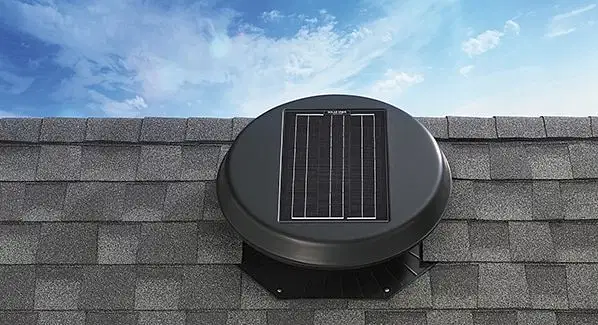
- Exhaust Vents: Positioned at or near the highest point of the roof (like ridge vents or box vents), these allow the warm, humid air that rises naturally to escape.
When the amount of intake ventilation is equal to or greater than the amount of exhaust, you have a balanced system. This constant circulation keeps the attic temperature and moisture levels in check, regardless of the season. It’s a simple concept, but getting the balance right is crucial for the structural integrity of your roof, from the sheathing right up to the shingles.
The Dangers of a Suffocating Attic: Summer Heat and Winter Moisture
A poorly ventilated attic creates a hostile environment that attacks your roof from the inside out. The problems manifest differently depending on the season.
In the Summer: The sun beats down on your roof, and without proper ventilation, that heat gets trapped in the attic. Temperatures can soar to over 65°C (150°F). This super-heated air essentially “cooks” your asphalt shingles from below, causing them to become brittle, crack, and lose their protective granules far sooner than they should. This intense heat also radiates down into your living space, forcing your air conditioner to work overtime and driving up your cooling costs.
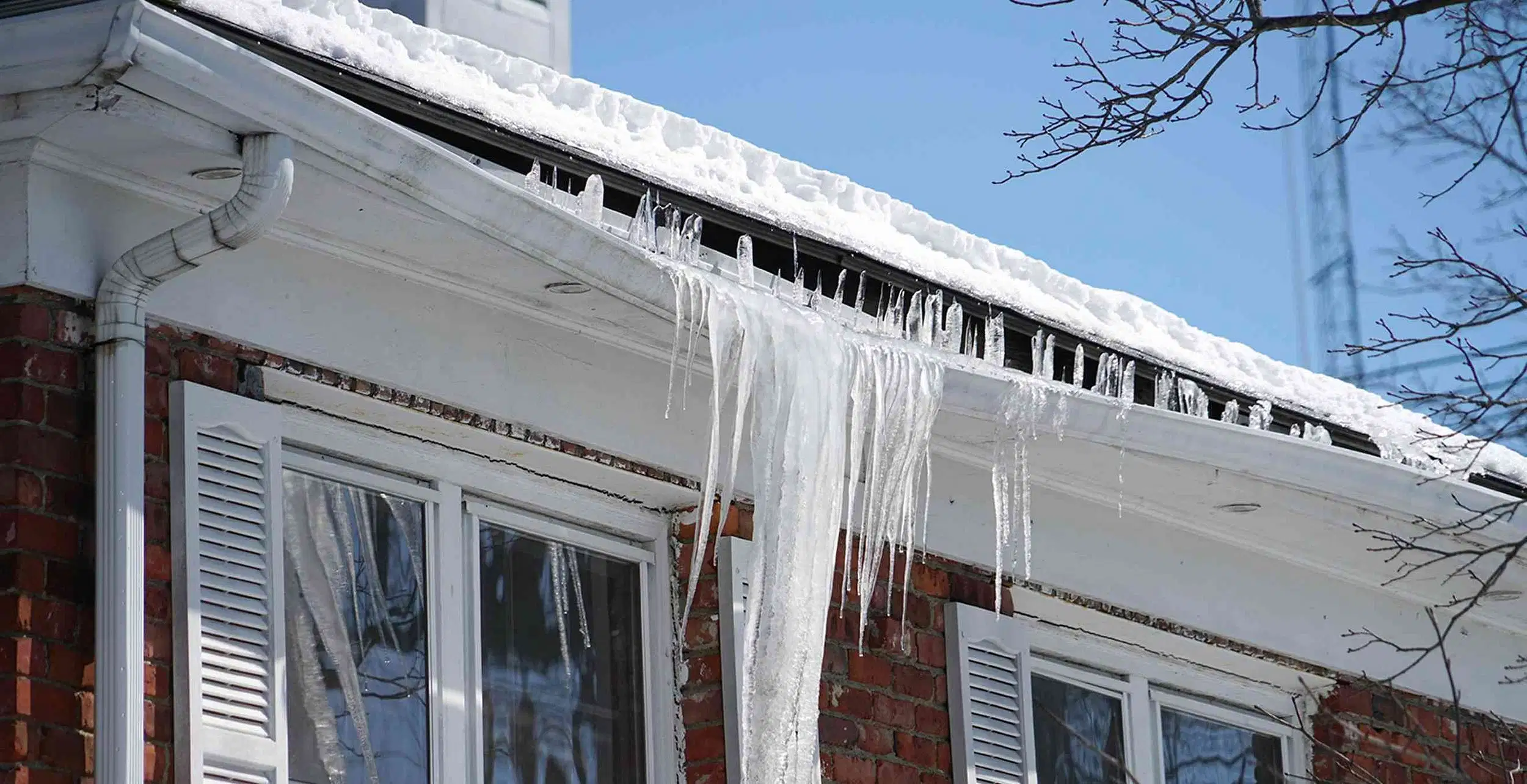
In the Winter: The challenge shifts from heat to moisture. Warm, moist air from daily activities like cooking and showering rises into the attic. If it can't escape, it condenses on the cold surfaces of the roof deck and rafters. This can lead to mould, mildew, and even wood rot. Worse yet, this trapped warmth can melt snow on the roof, which then refreezes at the colder eaves. This process creates ice damming, a thick ridge of ice that blocks water from draining into your eavestroughs. The trapped water can then back up under your shingles, leading to significant water damage and the need for emergency leaky roof repairs.
Telltale Signs Your Attic Ventilation is Failing
How can you tell if your attic isn't breathing properly? Your home will often give you clues. Be on the lookout for these common warning signs:
- Significant ice dams and large icicles forming along your roof's edge in winter.
- Thick frost or moisture on the underside of the roof sheathing when you look inside your attic on a cold day.
- Dark, black stains on the attic wood, which could indicate mould or mildew growth.
- Unusually hot or stuffy upper-floor rooms during the summer months.
- Shingles that are warping, cracking, or curling despite not being near the end of their expected lifespan.
- Peeling or blistering paint on the exterior walls near the roofline.
Noticing any of these signs is a strong indicator that your attic's ventilation system needs a professional assessment before minor issues become major, costly problems.
Our Holistic Approach: The Roof & Attic System
At FANATTICS, we know that a roof is much more than just a layer of shingles. That's why we never address a roofing issue without first understanding the complete system. Our diagnostic process involves a thorough examination of your attic's current state, checking for adequate intake and exhaust, and identifying any blockages or deficiencies. We believe that ventilation deficiencies are a primary cause of premature roof failure.
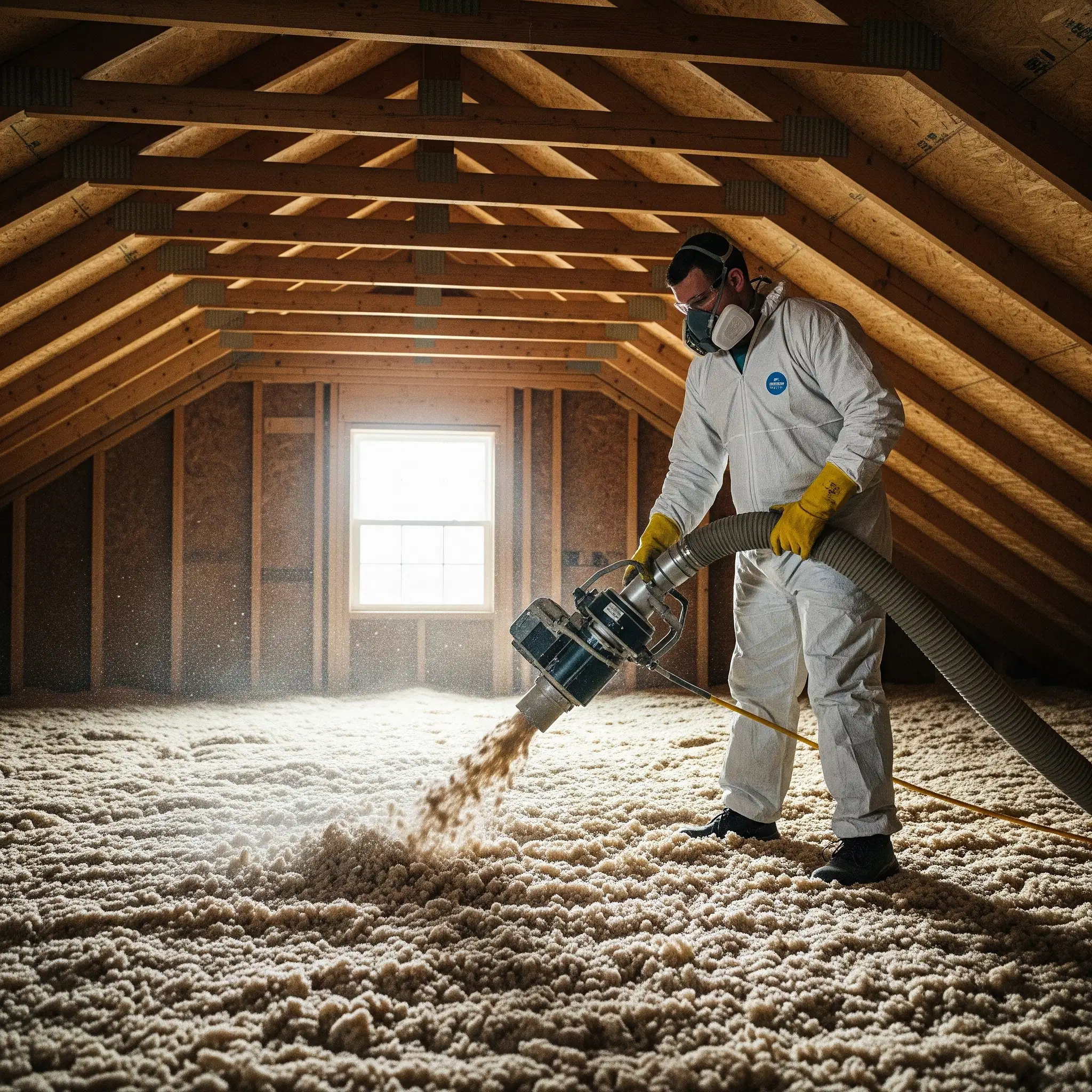
Proper insulation works hand-in-hand with ventilation. A well-insulated attic floor keeps your home's conditioned air where it belongs—in your living space—while a balanced ventilation system manages the temperature and moisture in the attic itself. This dual approach is the most effective way to ensure energy efficiency and longevity. That's why we often recommend addressing both during a residential roof replacement, as it provides the best access to optimize the entire system. By focusing on a complete attic insulation and ventilation solution, we ensure your new roof is built on a foundation of health and stability.
Protect Your Investment from the Inside Out
Your roof is one of the most significant investments you'll make in your home. Ensuring it has a properly balanced attic ventilation system is not an upsell or a luxury—it's essential maintenance that protects its value and longevity. A roof that can breathe properly will last longer, improve your home's energy efficiency, and prevent costly damage from moisture and ice dams.
If you've noticed any of the warning signs mentioned above, or if you simply want the peace of mind that comes with a professional assessment, we're here to help. Contact the experts at FANATTICS today for a comprehensive roofing and attic evaluation. We proudly serve homeowners in Mississauga and across the GTA, providing solutions that keep your home safe, comfortable, and protected for years to come. Get in touch with us to schedule your consultation.